
 5 months ago
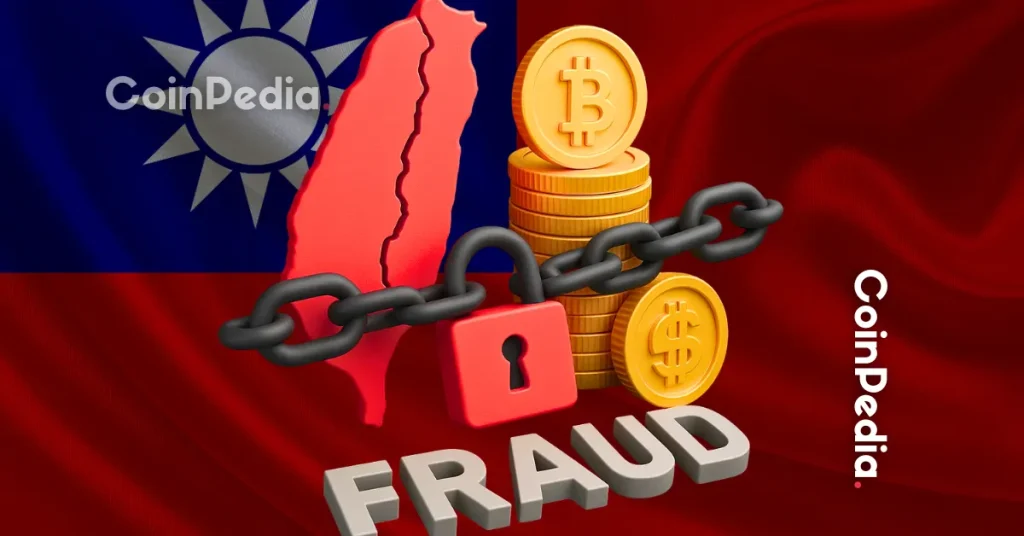
The post Taiwan Government Now Holds 210 Bitcoin from Seized Assets appeared first on Coinpedia Fintech News
Taiwan has joined the growing list of governments holding Bitcoin, not as an investment strategy but as a result of law enforcement activity. The country’s Ministry of Justice has confirmed it currently holds 210.45 BTC in seized assets, securely stored as legal evidence. While the amount may seem modest compared to corporate treasuries, the move highlights how seriously governments are now treating digital assets within formal legal systems.
How Taiwan Ended Up With 210 Bitcoin
The Bitcoin held by Taiwan’s Ministry of Justice comes from multiple criminal investigations rather than a single high-profile case. As crypto has become more embedded in financial activity, it has also appeared more frequently in cases involving fraud, money laundering, and other financial crimes. Taiwan’s authorities have spent years developing the technical capability to trace blockchain transactions, identify wallet ownership, and legally seize digital assets.
Successfully securing more than 210 BTC suggests Taiwan’s law enforcement agencies are no longer playing catch-up with crypto-related crimes. Instead, they now have the tools and legal processes needed to operate confidently in a blockchain-based financial environment.
Why This Matters for Crypto Regulation
This development signals a growing level of regulatory maturity. Handling seized Bitcoin is far more complex than storing cash or physical valuables. Authorities must manage price volatility, safeguard private keys, and ensure airtight cybersecurity. Taiwan’s ability to securely hold Bitcoin shows that governments can manage digital assets responsibly without destabilizing markets.
More importantly, it reinforces the idea that crypto is no longer operating in a regulatory gray zone. Governments that can securely seize and manage Bitcoin are better positioned to create clearer, more predictable crypto regulations. Taiwan’s approach could serve as a blueprint for other jurisdictions still struggling with digital asset custody.
Crypto Impact
For everyday crypto users, the message is twofold. On one hand, Taiwan’s actions support long-term adoption by proving that governments can coexist with digital assets rather than banning them outright. On the other hand, it’s a reminder that crypto transactions are not invisible. With the right tools, authorities can trace activity and enforce the law.
For investors, this points to increasing institutional understanding of crypto mechanics. Markets tend to favor clarity over uncertainty, and developments like this suggest crypto is steadily moving toward regulatory normalization.
A Sign of Crypto’s Growing Legitimacy
Taiwan’s 210.45 BTC is more than seized evidence, it’s a symbol of how far digital assets have come. When governments hold, secure, and manage Bitcoin within legal frameworks, they implicitly acknowledge its permanence in the global financial system. As more countries follow this path, crypto’s role as a recognized asset class only continues to strengthen.




 English (US)